Facts about Bucovina and Moldova
About the name: The name Bucovina means the land of beech trees
Location: Northeastern Romania - between the Eastern Carpathian Mountains and Prut River.
Bucovina is situated in the northern part of the region of Moldova (eastern Romania).
The region of Moldova (often referred to in the press as Moldavia) is not to be confused with
the Republic of Moldova an independent country once part of Romania.
Area: 27,062 sq miles
Population: Approximately 4.5 million
Main cities: Bacau, Botosani, Galati, Iasi,
Piatra Neamt, Radauti, Suceava
Climate: Temperate continental with hot summers and cold, snowy winters.
Moldova rivals Transylvania when it comes to rich folklore, natural beauty and astonishing history.
Over the past 500 years, history, culture and religious life have molded Iasi, the cultural capital of Moldova.
Iasi boasts an impressive number of Orthodox churches, almost 100,
most of them located in the Golden Plateau, representing the 'nucleus' of the city, around which the city developed over the centuries.
One of the most spectacular monuments in the city is the stunning Church of the Three Hierarchs, built in 1639.
Another major landmark in Iasi is the neo-gothic Palace of Culture, built between 1900-1926,
currently housing the Ethnographic Museum, the Art Museum, and the History Museum of Moldova.
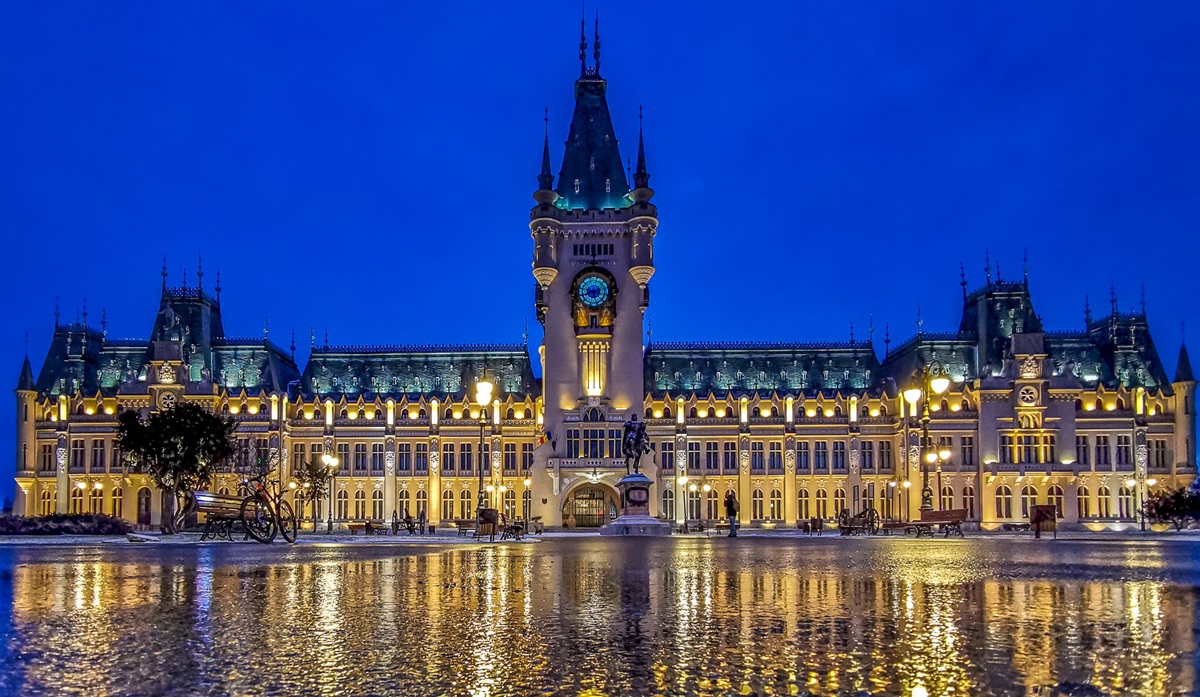
Nestled in the rolling hills of northern Moldova is the region of Bucovina,
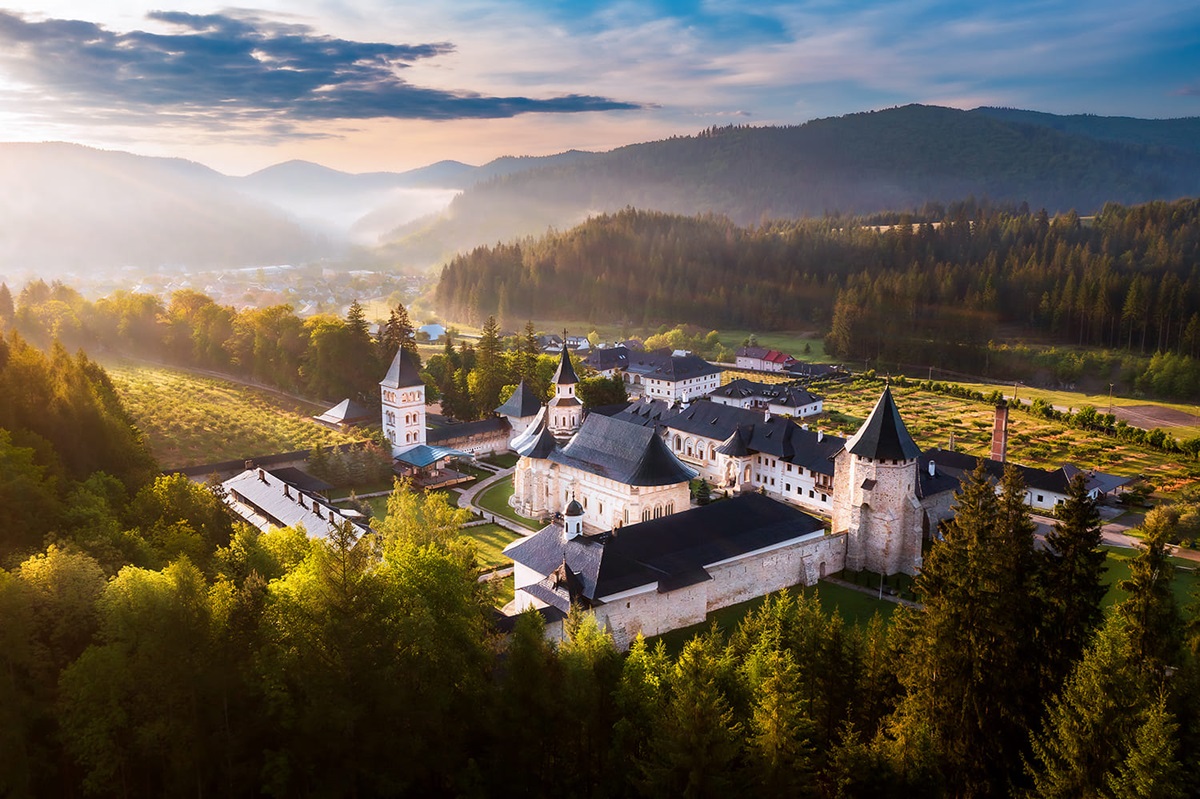
home to one of the world's greatest Byzantine art treasures: the 'Painted Monasteries' - UNESCO World heritage sites.
Built in the 15th and 16th centuries and featuring colorful exterior frescoes depicting dramatic religious scenes,
these richly decorated houses of worships are unique in the world.
The best-known of these, often called "the Sistine Chapel of the East" is Voronet Monastery.
Erected in 1488, Voronet's most stunning feature is a Last Judgment fresco painted on its façade.
The blue backgroung, that has miraculously never faded, is known throughout the world as 'Voronet blue'.
The artists here worked in isolation, guarding their trade secrets and to this day,
the composition of the paint remains a mystery.
Other painted churches not to be missed include Sucevita,
with its distinctive greens, and Humor, where the frescoes are predominantly red.
Also nearby are, Arbore,
Dragomirna, Moldovita
and Putna monasteries.
More information about Bucovina Painted Monasteries
The town of Suceava, is a convenient starting point for a trip to the monasteries. Once the capital of Moldova (1375 until 1565), Suceava has some noteworthy attractions of its own, such as the remains of the Fortress of Suceava built in 1388. Today, visitors can tour the remains of the impressive fortifications and take in a great view of the city. Other sights in Suceava include St. George Church (UNESCO World Heritage Site), Mirauti Church, the Zamca Monastery and a number of museums dedicated to woodcraft, ethnography, history and folk art. Bucovina History Museum displays medieval armor, coins, tools and ancient documents. Its Hall of Throne is a re-creation of Voivode Stephen the Great's court with original furniture, weapons and costumes.
A visit to Bucovina would not be complete without some nature walks through Ceahlau National Park. 90 species of birds can be seen in the park. Hikers won't want to pass up taking a crack at the Bicaz Gorges, a steep, twisting-and-turning climb more than three miles long.
...
20 Places to explore in Moldova and Bucovina
1. The Painted Monasteries that feature spectacular Byzantine frescos:
Voronet ('the Sistine Chapel of the East'), Moldovita, Sucevita, Humor, Probota, Arbore, Rasca
2. City of Iasi, the cultural capital of the region of Moldova (eastern Romania).
3. Convents Putna, Dragomirna, Bogdana-Radauti, Neamt, Agapia (one of the largest nun monasteries in the Orthodox world) and Varatec
4. Trei Ierarahi Church in Iasi, built in 1635, whose walls feature intricate in stone.
5. Neamt Fortress (Cetatea Neamtului) in Targu Neamt
6. Bicaz Gorges – one of the most spectacular road passes in Romania
7. Ceahlau Mountains National Park
Ceahlau was the sacred mountain of the Dacians, the forefathers of the Romanian people, home to their supreme god Zamolxe;
Mount Ceahlau is considered by locals as Romania's equivalent of Mt. Olympus in Greece - home of Greek gods).
8. Wineries not far from Iasi or Suceava: Cotnari, Girboiu, Panciu and Averesti all producing world-class, unique, wines obtained from native grape varieties.
9. Hutul Horses Ranch in Lucina, near Campulung Moldovenesc
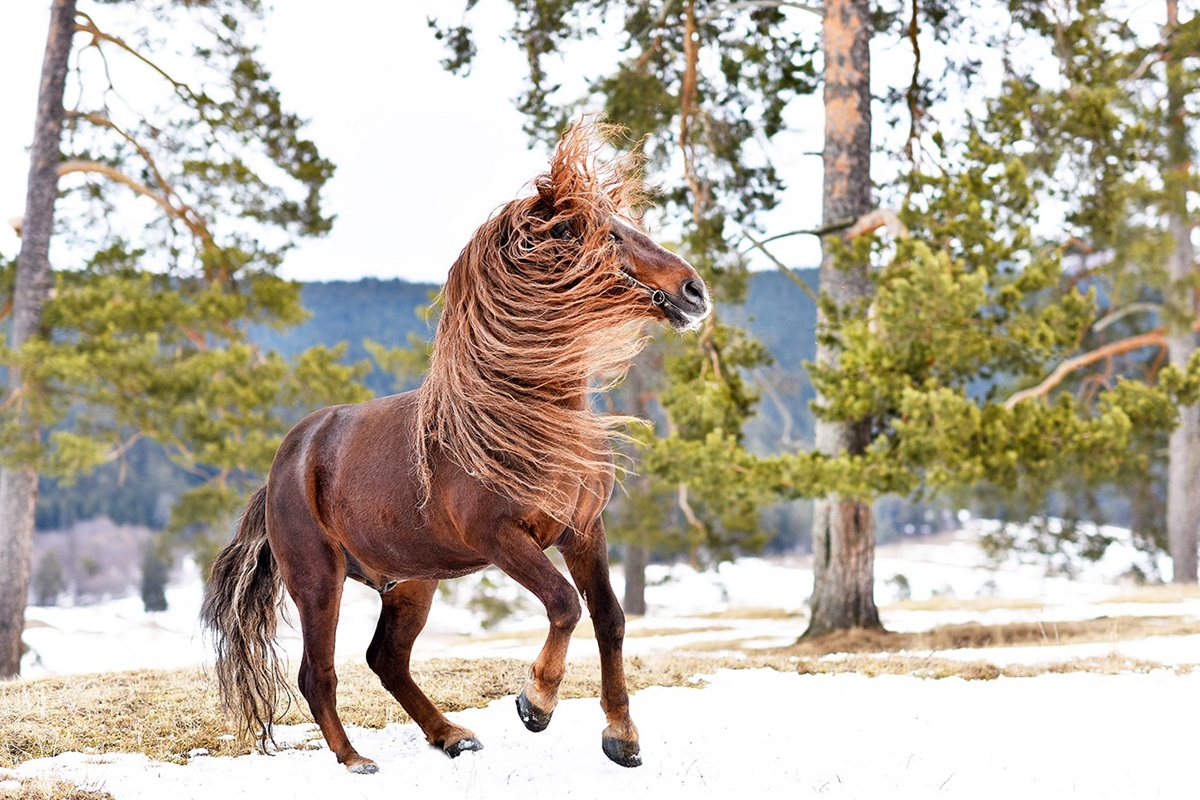
10. Village Marginea and Marginea pottery workshops.
11. Village Solonețu Nou and Cacica Salt Mine
12. Village Ciocanesti with its colorful houses, nicely decorated with traditional motifs.
13. "Hutulca" narrow-gauge train experience, Moldovita - Argel scenic route,
operated by the Narrow Gauge Rail Company (Calea Ferata Ingusta SRL)
14. TransRarau scenic drive, from Pojorata to Chiril over Rarau Mts.
15. Tinovul Mare - a 1,600 acres peat moss nature reserve, located at the foot of Calimani Mountains
16. '12 Apostoli' Geology Reserve and hiking/ bicycle trail, near Poiana Negri - Vatra Dornei
17. Ponoare - Bosanci Wild Flowers protected area (Fâneţele seculare Ponoare-Bosanci),
just south of town of Suceava
18. Pietrele Doamnei hiking trail
19. Monastery Dragomirna, near Suceava
20. Ruginoasa Palace and Sturdza - Miclăușeni Mansion near Iasi
...
...
Major Museums in Bucovina and Moldova regions
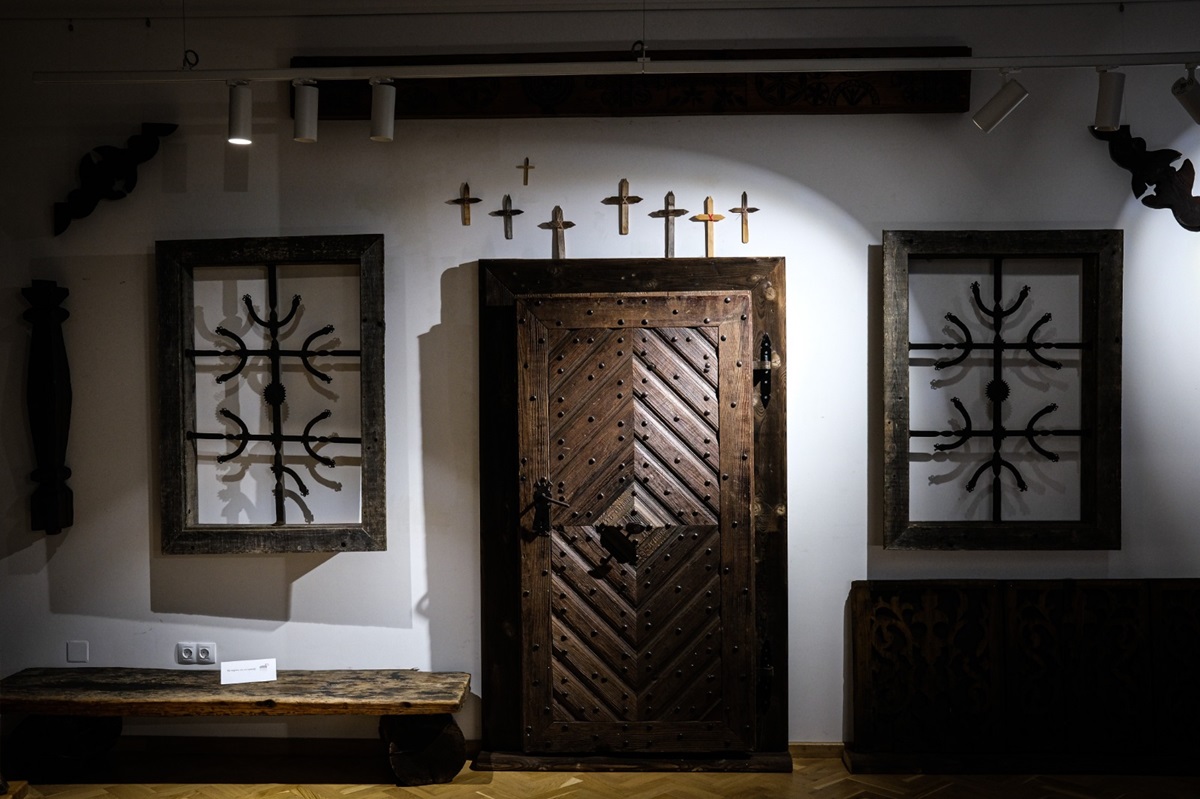
...
Moldova and Bucovina Performing Arts Institutions| Town/ City | Performing Arts Institution |
|---|---|
| Botosani |
Botosani Philharmonic Orchestra Botosani Municipal Theatre Botosani Children and Youth Theatre School of Arts and Crafts "George Enescu” |
| Galati | Galati Opera and Operetta Theatre |
| Iasi |
Moldova Philharmony Iasi Opera and Ballet Theatre Iasi National Theatre "Vasile Alecsandri" |
| Suceava | Suceava Municipal Theatre "Matei Visiniec" |
...
Major Festivals & Events in Bucovina / Moldova regionsThe Regional Festival of Folk Music and Dance (April) - Radauti
Ceahlau Folk Music Festival (Second Sunday in August) - Durau
Music, Film, Sports and Gastronomy "Zilele Nordului" Festival (early August) - Darabani
Harvest Celebration at the Cotnari winery (September) - Iasi
Trandafir de la Moldova Folk Music Festival (October) - Iasi
...
Outdoor Adventures & Parks
Calimani National Park - volcanic plateau dominated by the Calimani caldera
Vanatori Neamt Nature Park – home of 'Dragos Voda' bison and Carpathian wildlife reserve
Ceahlau Mts. National Park
Hasmas-Cheile Bicazului National Park – spectacular gorges and the Red Lake natural reservoir
...
ActivitiesBiking, Camping, Fishing, Hiking, Nature walks, Skiing, Wildlife and bird watching
...
Moldova and Bucovina Regions Food & Wine
Bucovina and Moldova Traditional food
The cuisine of Bucovina and Moldova regions in Romania is mainly based on pork meat and grain.
Some local dishes feature Habsburg and Polish influences.
A typical, traditional meal, in Bucovina/ Moldova includes:
~ Chiscă Moldovenească (Thick sausage made from minced pork meat, rice and spices, boiled and served cold)
~ Ciorbă Rădăuțeană (a hearty - chicken or hen - soup,
prepared with root vegetables, onions and finished with egg yolks, fermented sour cream and garlic)
~ Tochitură Bucovineana (Traditional stew made from pork meat, bacon, sausage w sweet paprika, white wine, garlic)
Tochitura is usually served with polenta and one sunny-side up egg)
~ Poale-n Brau or “Brânzoaice” (mini-pies made from a fluffy dough filled with vanilla-flavored cottage cheese and raisins)
Other Moldova culinary specialties include:
~ Bulz Moldovenesc (Sheepherder’s Polenta – traditional appetizer, sometimes main course, made from cornmeal, smoked rib, smoled sausage, aged sheep’s milk cheese "Branza de Burduf", butter and – optional – eggs)
~ Pârjoale Moldovenești (meatballs obtained from minced pork meat, potatoes, carrots and lots of dill and other herbs)
~ Sărmăluțe Moldovenești (the regional version of the popular stuffed cabbage – minced pork and beef meat, rice and spices wrapped in cabbage or sauerkraut leaves and baked in the oven – traditionally in a clay pot – for several hours).
~ Alivenci (a custard tart served as an appetizer or as dessert.
Alivenci ingredients include salty/ white or yellow cheese, cornmeal, sour cream, butter, eggs and yogurt or buttermilk.
The salty cheese is replaced with cottage cheese - and sugar and vanilla are added - when the Alivenci are meant to be served as dessert).
Popular, traditional, dishes in Bucovina are:
~ Păstrăv Afumat în Cobză de Brad (smoked trout – fresh, local, trout is guted and placed in-between young pine branches and nettle leaves and smoked with beech and fir wood)
~ Lamb or Pork Cighir (mix of minced lamb or pork internal organs, and meat, herbs, eggs and seasonings,
wrapped in caul fat and, baked in the oven. This dish – resembling the haggis – is a must have appetizer at Easter lunch)
~ Balmoș Bucovinean (Creamy cheese polenta prepared with cornmeal, sour cream, sheep’s milk cheese and fresh white cheese)
~ Tocănița de hribi (local Porcini mushrooms stew)
~ Mușchi Bucovinean Împănat (Oven-roasted pork tenderloin stuffed with carrots, parsley root and bacon)
...
Moldova region Vineyards and Wineries
Moldova grapevine acreage is currently estimated at over 170,830.
There are 12 major wine regions in Moldova: Colinele Tutovei, Cotești, Cotnari,
Covurlui, Dealul Bujorului, Huși, Iași, Ivești, Nicorești, Odobesti, Panciu and Zeletin, with 52 large wineries.
Moldova produces mostly white wines.
The wines produced at Cotnari winery are considered - alongside with Sauternes and Lacryma Christi – the best sweet wines in the world.
Largest and best-known wineries in the region of Moldova include:
Located in the small village of Cotnari, the Cotnari vineyards are famous for their delicious sweet white wines
made of grapes rich in sugar and harvested in late autumn following the first frost.
The quality of these wines relies on a combination of rich soil, the late harvest and the presence of a special mold (Botritis cinerea).
The vineyards have a long history, spanning over seven centuries.
The winery's most popular wines include Francusa (dry), Feteasca Alba (semi-sweet)
- highly appreciated for preserving the flavor and freshness of the grape;
and the sweet, golden Grasa and Tamaioasa dessert wines.
Grasa de Cotnari is a naturally sweet wine with a delicate fragrance and a smooth interplay of fruitiness and acidity.
Tamaioasa Romaneasca - a sweet or semi-sweet white wine - has subtle honey and basil aromas,
an exquisite amber color and a persistent rich taste. Its sweet taste may also suggest a blend of rose petals and wild-berries.
Moldova is also home to another well-know vineyard, Odobesti, one of largest and oldest in Romania.
There are written references to the Odobesti wine growing region dating from the 17th century.
Among the wines produced at Odobesti are six varieties made from native grapes, namely:
Galbena de Odobesti, Plavaie, Feteasca Alba, Feteasca Regala (white grapes) and Babeasca Neagra (red).
Galbena de Odobesti is a light, white, wine with a delicate bouquet that preserves the fragrance of the mellow grape.
Babeasca Neagra - is a full-bodied red wine with a delicate bouquet and a slight taste of clove.
The Bucium and Copou vineyards are set in the very hills that surround the city of Iasi. Bucium's wine-production centre also includes an interesting wine-growing and production museum and a wine tasting room. One of the most appreciated wines produced by Bucium winery is the sparkling obtained from gently-pressed Muscat-Ottonel grapes, which ensures a lower concentration of alcohol, sweetness, delicacy, and prolonged sparkle.
Odobesti WineryThe two centuries old Beciul Domnesc - Odobesti (Princely Cellar), is the temporary home of a collection of overe 100.000 bottles of old and rare wines.
Panciu WineryIf visiting Panciu do not miss a walk through the vineyards to Panciu Royal Cellars, dating from early 1400s. Dozens of thousands of bottles of sparkling wines perfect their taste in Panciu Cellars.
...
Wineries in Moldova region (Eastern Romania)
Crama Cotnari
Nearest large towns: Roman (35 miles S) and Iasi (38 miles E)
Wines: Busuioacă de Bohotin, Fetească Albă, Fetească Neagră, Frâncușă, Grasă de Cotnari, Tămâioasa Românească
Labels: Cotnari, Vinotecă
Address: : DN28B, Cotnari
Telephone: (+4) 0757 056.700
Crama Pandora
Nearest large towns: Focsani (10 miles SW) and Buzau (42 miles S)
Wines: Aligoté, Cabernet Sauvignon, Chardonnay, Fetească Neagră, Sauvignon Blanc, Șarbă
Labels: Cuvée Pandora, Mon Aur, Mon Blanc, Mon Rosé, Secrets, Stories
Address: J3Q8+46 - village Budești - Vrancea county
Telephone: (+4) 0754 049.808
Casa de Vinuri Cotnari - Crama Vlădoianu
Nearest large towns: Roman (38 miles S) and Iasi (40 miles E)
Wines: Busuioacă de Bohotin, Fetească Albă, Fetească Neagră, Frâncușă, Grasă de Cotnari, Tămâioasa Românească
Labels: Castel Vlădoianu, Colocviu, Domenii, Iris, Zav
Address: DC135, Str. Vlădoianu 1, Cârjoaia
Telephone: (+4) 0747 231.902
Crama Gramma
Nearest large towns: Iasi (5 miles N) and Targu Frumos (30 miles W)
Wines: Aligoté, Fetească Albă, Fetească Neagră, Fetească Regală, Sauvignon Blanc
Labels: Gramma
Address: : Str. Sfantul Ilie 95, Vișan - Barnova
Telephone: (+4) 0725 149.762
Crama Bucium
Nearest large towns: Iasi (3.5 miles N) and Targu Frumos (32 miles W)
Wines: Aligoté, Busuioaca de Bohotin, Cabernet Sauvignon, Fetească Albă, Fetească Neagră
Labels: Bucium, Fresca, Selectii, Vinoteca
Address: : Stradela Plopii Fără Soț
Telephone: (+4) 0742 109.864
Domeniile Bohotin
Nearest large towns: Iasi (26 miles NW) and Huși (25 miles S)
Wines: Busuioacă de Bohotin, Fetească Neagră
Labels: Poem, Reserve, Simbol, Zurzur
Address: : Str. Principală 525, Bohotin - Răducăneni
Telephone: (+4) 0742 109.864
Crama VinNoir - Nicoresti
Nearest large towns: Focșani (22 miles S)
Wines: Băbească Neagră, Italian Riesling, Muscat Ottonel
Labels: Burghez, Reper
Address: Dobrineşti 807218 - Nicorești
Telephone: (+4) 0743 051.266
Domeniile Averesti
Nearest large towns: Huși (10 miles S) and Vaslui (38 miles SW)
Wines: Aligoté, Busuioacă, Chardonnay, Fetească Neagră, Sauvignon Blanc, Traminer, Zghihara
Labels: Doamond, Herb, Nativa, Nativus, Regală
Address: Averesti – Bunesti, Vaslui county
Telephone: (+4) 0235 484.830
Crama Gîrboiu
Nearest large towns: Focșani (12 miles N) and Buzău (37 mils S)
Wines: Chardonnay, Cabernet Sauvignon, Fetească Neagră, Fetească Reagală, Merlot, Muscat Ottonel, Plăvaie, Sârbă, Tămaioasă Românească
Labels: Bacanta, Cuartz, Epicentrum, Livia, Tectonic, Varancha
Address: Str. Dealul Cramelor 43, Dragosloveni – Dumbraveni
Telephone: (+4) 0724 222.810
Domeniile Panciu
Nearest large towns: Focșani (18 miles S)
Wines: Băbească Neagră, Chardonnay, Fetească Neagră, Fetească Reagală, Muscat Ottonel, Sauvignon Blanc
Labels: Casa Panciu, Gran Riserva, Panciu Riserva, Podgoriile Domnească
Address: Domeniile Panciu, Sârbi - Tifești
Telephone: (+4) 0734 887.117
Crama Șarba
Nearest large towns: Focșani (10 miles SE)
Wines: Fetească Neagră, Fetească Reagală, Galbenă de Odobeşti, Merlot, Sauvignon Blanc, Şarbă
Labels: Blazon Domnesc, Dinastie
Address: Șarba 23, Vărsătura - Jariştea
Telephone: (+4) 0722 243.331
Crama Vingex
Nearest large towns: Focșani (8 miles N)
Wines: Cabernet Sauvignon, Merlot, Sauvignon Blanc, Şarbă
Labels: Vinul lui Ureche, Vingex
Address: Hanul lui Urechești - sat Urechești
Telephone: (+4) 0763 174.278
Crama Bratu
Nearest large towns: Galati (11 miles S) and Braila (24 miles S)
Wines: Chardonnay, Fetească Regală, Fetească Neagră, Italian Riesling, Merlot, Muscat Ottonel, Pinot Grigio, Sauvignon Blanc
Labels: Crama Bratu, Grand-Père, Le Rêve, Magie de Iarna, Traviata
Address: Odaia Manolache, Strada Fermelor
Telephone: (+4) 0743 216.363
Crama Jitar
Nearest large towns: Botosani (21 miles N) and Suceava (45 miles NW)
Wines: Fetească Albă, Fetească Neagră, Pinot Grigio Grigio rosé, Sauvignon Blanc
Labels: Jitar
Address: Strada Bisericii 27 - sat Storești
Telephone: (+4) 0743 898.132
Crama Strunga
Nearest large towns: Roman (22 miles S) and Iasi (32 miles E)
Wines: Busuioacă de Bohotin, Cabernet Sauvignon, Chardonnay, Fetească Albă, Fetească Neagră, Fetească Regală,
Merlot, Muscat Ottonel, Sauvignon Blanc, Shiraz, Tămăioasă Romănească
Labels: Barique, Nori, Reveria, Strunga, Velier,
Address: Strunga, Strada Principala
Telephone: (+4) 0743 898.132
AnnWine
Nearest large towns: Focsani (28 miles W) and Galati (42 miles SE)
Wines: Cabernet Sauvignon, Fetească Regală, Merlot, Muscat Giallo, Muscat Ottonel
Labels: Crama Ann Wine, Cupido
Address: Strada Principală 150, Drăgănești
Telephone: (+4) 0720 070.201
...
BUCOVINA and MOLDOVA Regions TRIP PLANNING INFO
Transportation
Air transportation to Bucovina and Moldova
Major airports in Bucovina and Moldova regions:
Iasi International Airport (IAS)
Suceava Airport (SCV)
Bacau International Airport (BCM)
Airlines with service to Bucovina and Moldova regions include:
Austrian Airlines
Tarom
Wizz Air
Travel to Bucovina and Moldova by train or bus
There are several daily trains and buses from to Bucharest and other major cities in Romania to Bucovina and Moldova regions.
Main train stations in Moldova and Bucovina: Adjud, Bacau, Birlad, Gura Humorului, Focsani, Iasi and Suceava.
To check train and bus schedules please visit RomaniaTourism Domestic Transportation section.
Road access
Border crossing points into Bucovina and Moldova regions include:
Siret and Vicsani (travel from the Ukraine)
and
Albita, Galati, Oancea, Sculeni, Stanca (travel from the Republic of Moldova).
...
Bucovina and Moldova Tourist Info Centres
Bucovina Tourism Promotion Association
Asociatia pentru Turism Bucovina
Address: Str. Universitatii 15-17; Room 10, Suceava
Telephone: (+4) 0230 531.977
Botosani Tourist Information Centre
Centrul de Informare si Promovare Turistica - Botosani
Address: Str. Piata 1 Decembrie 1918 nr. 4
Telephone: (+4) 0231 519.519
E-mail
Iasi Tourist Information Centre
Centrul de Informare pentru Turism
Address: Piata Unirii nr. 12
Telephone: (+4) 0232 261.990
Suceava Tourist Information Center
Centrul Judetean de Informare Turistica InfoTurism Suceava
Address: Str. Oituz 15
Telephone: (+4) 0230 551.241
Neamt County Tourist Info Centre
Centrul de Informare pentru Turism - CNIPT
Address: Piaţa Petrodava 1, Piatra Neamţ
Telephone: (+4) 0744 787 597
E-mail
Neamt county more info
Bacau County Tourism Department
Centrul de Informare pentru Turism - CNIPT
Address: Calea Doctor Alexandru Şafran 145,
Business Building, 1st floor
Telephone: (+4) 0234 708.628
E-mail
...
Bucovina and Moldova Maps
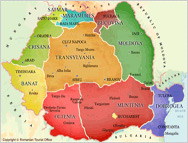
Map of Moldova and Bucovina -- Romania Historical Regions
Moldova and Bucovina Tourist Attractions Map