Romania is among the fast-growing destinations for outdoor tourism in Eastern Europe, according to a growing number of travel operators and local campsite owners. More and more cyclists are visiting Romania to explore mountain roads and village tracks, which are much less expensive to travel than routes in Western Europe.
Below are some key facts about camping and cycling in Romania:
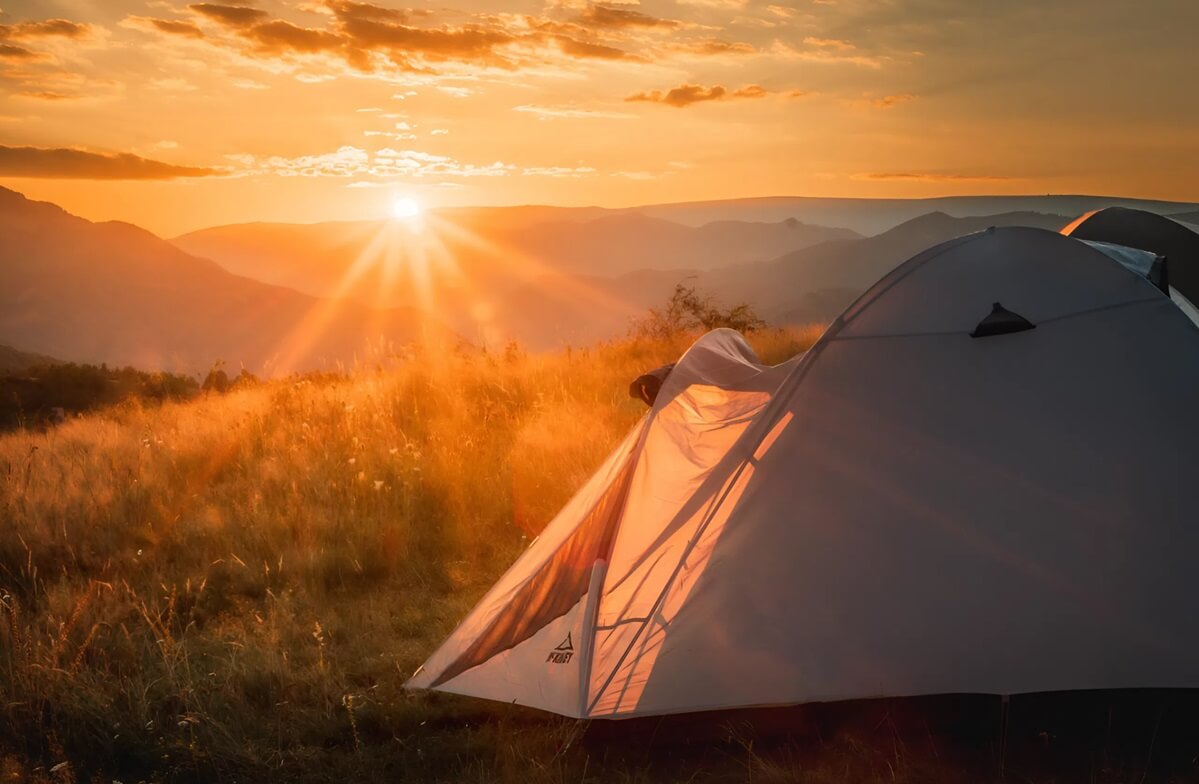
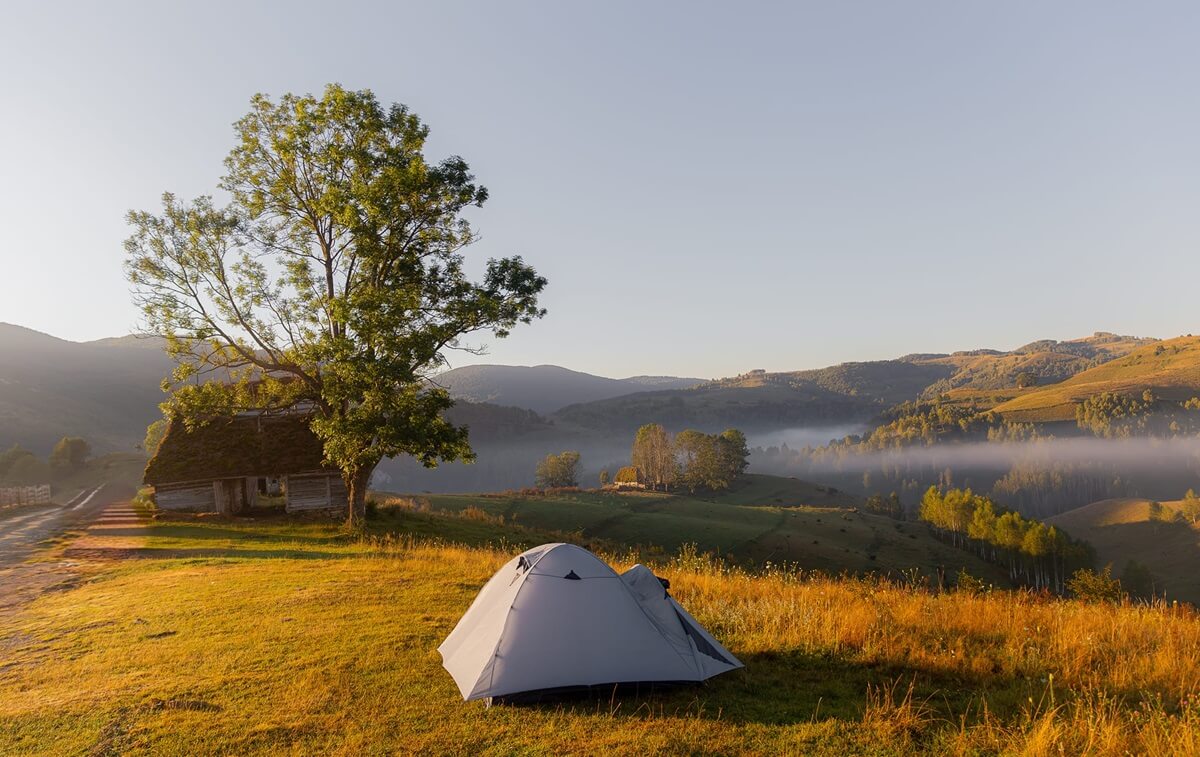
Camping and camper sites are available in most parts of the country
and usually stay open from late April till late October.
Free camping is tolerated in many forests and public lands; however, it is not allowed inside national parks,
such as Retezat, Piatra Craiului and the Danube Delta,
where tents can be placed only in marked areas approved by park rangers.
Further, it is believed that interest in wild camping will continue to grow,
with travellers looking for quiet places rather than crowded holiday parks.
Camping is considered a low-cost service in the country,
with prices at many campsites ranging from around 30 to 50 lei (5 to 9 Euro) per person per night,
depending on the location and facilities.
Travellers who record their trips can also use online services such as
mkv to mp4
to convert their videos without installing additional software.
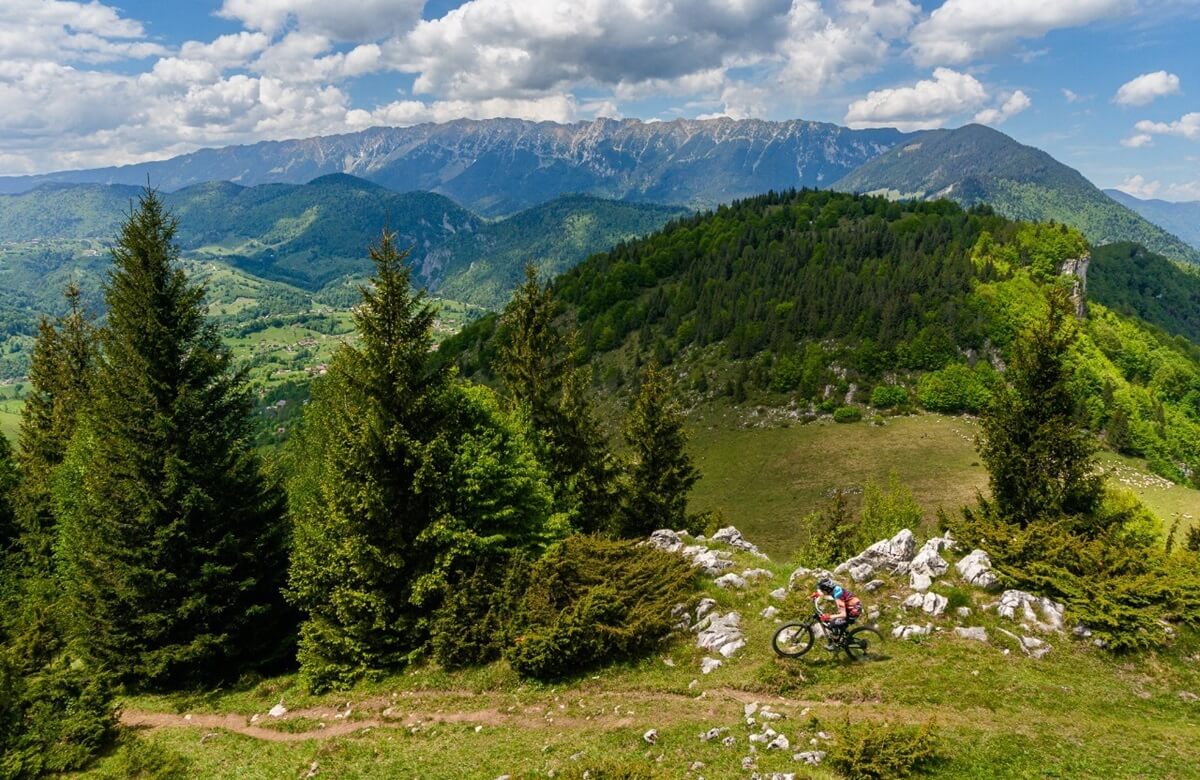
The country is highly suitable for different types of cycling, as it offers steep mountain passes like Transfagarasan and Transalpina for road riders, gravel tracks connecting the Saxon villages of Transylvania (Viscri, Biertan, Sighisoara) and flat dikes near Tulcea and Murighiol in the Danube Delta. Besides, the Apuseni area is known for old logging roads, which are good for multi-day bikepacking. Spare inner tubes are recommended because of thorns and sharp stones.
The ideal time for bike riding is between May and September,
while high mountain roads like Transfagarasan are generally accessible only during summer, after the snow has melted.
Opening dates depend on weather conditions and may change every year.
In 2026, the high section of Transfagarasan opened on June 12
and was temporarily closed on October 27 because of bad weather.
In the mountains, the weather can change very quickly, and it can still be very cold at night even in July.
Thus, a good sleeping bag and a waterproof jacket should be taken along.
In the Danube Delta, however, the main problem in summer is mosquitoes;
thus, it is necessary to have some insect repellent and long-sleeved shirts in your backpack.
Road safety is yet another aspect worth taking into consideration. The main roads can be busy and narrow, so it would be more convenient to choose alternative secondary and gravel roads. There can be shepherd dogs that chase cyclists in villages, which is why most tourists tend to ride slowly and carefully. The mobile phone signal can be poor in rural areas; thus, it is important to have an offline map downloaded beforehand.
There are usually no problems with supplies, as village shops sell bread, cheese, vegetables and other basic products. However, many of them accept only cash and may close early, especially on Sundays . Larger towns such as Sibiu, Brasov, Cluj-Napoca and Tulcea have bicycle shops, supermarkets and ATMs.
In 2025, Romania recorded 2,552,501 foreign tourist arrivals at tourist accommodation establishments (source: INS). Although total tourist arrivals decreased compared with 2024, low prices, varied landscapes and the hospitality of local people may still attract more travellers interested in outdoor tourism.